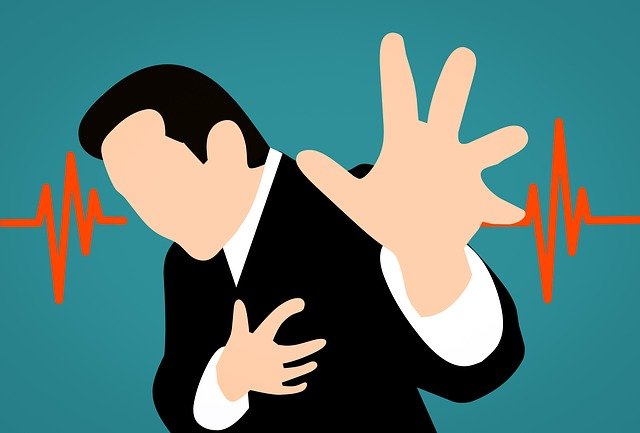
Imagine this scenario: You are with a loved one when they suddenly lose consciousness. You check them and realize they have no pulse, they are no longer breathing, and they are completely unresponsive. Would you know how to react to save your loved one’s life?
If you are like a lot of people, you know what sudden cardiac arrest is. You probably also know that this is an incredibly dangerous event. However, when faced with such a terrifying set of symptoms, you may not even recognize what is taking place or even understand how to intervene to make a difference.
In the United States alone, over 300,000 people lose their lives to sudden cardiac arrest every year. This unexpected loss of cardiovascular function usually strikes with no actual warning, making this heart threat the leading cause of natural death above any other bodily ailment.
What is Cardiac Arrest?
A sudden cardiac arrest is an event that is characterized by a malfunction of the electrical system of the heart. The beats of the heart become dangerously irregular and oftentimes speed up to cause the ventricles of the heart to quiver. This culmination of actions prevents the heart from doing its vital job to supply oxygenated blood to the brain and body.
Unlike a heart attack, cardiac arrest is far more dangerous because the whole heart is affected instead of just part of the heart. While people can often survive a heart attack, cardiac arrest can lead to sudden cardiac death, which can cause irreparable damage to the brain and tissues due to lacking oxygen flow. If cardiopulmonary resuscitation (CPR) or electrical defibrillation is not used within the first few minutes of cardiac arrest, the chances of survival are low.
Before a Cardiac Arrest Occurs
One of the reasons cardiac arrest is such a scary situation is that many people do not have major noticeable symptoms before the event. In other words, the heart can stop with little to no warning at all. Nevertheless, a few symptoms should trigger you to seek immediate medical attention or call 9-1-1 for help. Some signs to watch for include:
- Shortness of breath
- Bodily weakness or extreme fatigue
- Pain or discomfort in the chest
- Fluttering, pounding, or fast-beating heart
- Feeling faint or lightheaded
If you are experiencing these symptoms or with an individual who is, seeking emergency help immediately will mean the greatest likelihood of survival.
Signs and Symptoms During Cardiac Arrest
Once a cardiac arrest has occurred, the signs and symptoms become much more obvious. While the individual suffering the event may not be aware of the cardiac arrest because they often lose consciousness amid the change of oxygen levels, bystanders can usually spot that something critical is happening. Here are the most common signs that someone is experiencing cardiac arrest.
1. A sudden collapse
People who experience sudden cardiac arrest will usually completely collapse. It is not uncommon for them to realize something is off with the way their heart is beating just before the event. Therefore, it is also not unusual for bystanders to note that the individual put their hand to their chest or otherwise gestured or commented just before the collapse.
2. Loss of consciousness
When the heart malfunctions and stops pumping blood to the brain, loss of consciousness is imminent. During cardiac arrest, the heart’s ventricles, usually tasked with pumping oxygenated blood, quiver in an erratic and useless way so no blood gets pumped to the brain and body as it should.
3. Lack of pulse
After the heart goes through erratic behavior just before the full arrest, all internal functions of the heart can suddenly stop (arrest). This change in heart function means the pulse that can normally be felt along the neck or wrist will be gone.
4. Not breathing
With no blood or oxygen to the brain, the brain no longer sends signals through the neural system to the lungs to expand and take in air to capture oxygen. So, during cardiac arrest, after a person loses consciousness, they will no longer be breathing.
How to Respond When a Cardiac Arrest Is Suspected
If you are helping someone experiencing cardiac arrest, the timing of intervention means the difference in life and death. Therefore, it is imperative to act as quickly as possible to perform whatever life-saving measures you can. The steps to take for the greatest chance of survival with a cardiac arrest include:
- Calling for emergency help immediately if possible
- Perform CPR
- Use a portable defibrillator
Research has shown that intervention with an Automated External Defibrillator (AED) within 60 seconds can give the person suffering the event a 90 percent chance at survival. These portable defibrillators deliver an electrical shock to the heart to restart the heart’s rhythm. When paired with CPR or even just basic chest compressions, the chance of survival is profound. With every minute that defibrillation is delayed, the chance of survival decreases by 7 to 10 percent.
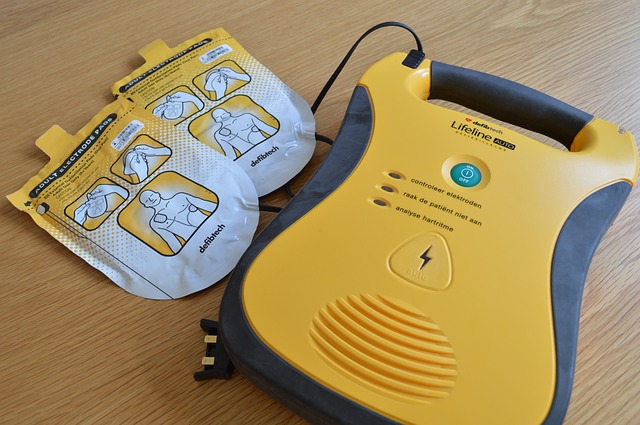
Thanks to modern innovations and technology, today’s AEDs make it possible for even the average person to deliver life-saving measures during a cardiac arrest. These portable units lead the person through voice instructions to check heart rhythm and deliver a shock. Some devices are so advanced that an onboard screen visualizes how to perform CPR before or after providing an electrical shock to the person.
Cardiac Arrest Steals Lives, But AED and Intervention Saves Them
With just a bit of knowledge about what happens during a cardiac arrest and how to respond, you could very well be the person capable of delivering life-saving measures. Portable AEDs are more widely available in public places than they have ever been, and even people with no training can use these devices adequately. If you spend a lot of time in public places or with people who have heart problems, be sure to get to know the signs of cardiac arrest and how you can step in to help.