Table of Contents:
- Understanding the Scope of Routine Dental Exams
- The Link Between Oral Health and Overall Wellness
- Key Reasons to Prioritize Preventive Dental Visits
- The Essential Steps in a Dental Exam
- The Impact of Skipping Dental Appointments
- Building Lifelong Habits for Oral Health
- Special Considerations for Different Life Stages
- Modern Dentistry: Prevention and Confidence
- Conclusion: Investing in Your Long-Term Health
Understanding the Scope of Routine Dental Exams
Routine dental exams are more comprehensive than most people realize. A standard visit, recommended every six months, is far more than a glance at your teeth and a polish. Dentists and hygienists assess your entire oral ecosystem, evaluating gums, teeth, jaw alignment, existing dental work, oral tissues, and even the tongue and roof of your mouth. These exams are designed to spot issues early—from cavities and gum disease to jaw problems and oral cancer. Early detection is key because dental conditions can progress silently. Cavities may form under the surface, and gum disease often develops painlessly until it is advanced. During these routine visits, dental professionals help patients make informed decisions about their care—including when to consider professional teeth whitening solutions as part of a healthy routine.
Root canal infections impacted wisdom teeth, and abnormal lesions can all be identified before symptoms arise. Dental professionals take a structured, thorough approach every visit to prevent minor concerns from growing into serious complications, ensuring patients can maintain oral health and peace of mind.
The Link Between Oral Health and Overall Wellness
Science demonstrates the connection between oral health and overall well-being. The mouth is the gateway to the body, and problems that begin in your teeth or gums can influence far-reaching aspects of physical health. Gum disease is associated with chronic inflammatory conditions such as heart disease, stroke, and diabetes. Bacterial infections in the gums can enter the bloodstream, elevating the risk of systemic health complications and making it harder for the body to control blood sugar or heal wounds.
Recent research by the Centers for Disease Control and Prevention points to the significant impact of oral care on public health. Poor dental health has even been linked to adverse pregnancy outcomes and respiratory illnesses in older adults. Regular care of your teeth and gums helps reduce inflammation and bacterial spread, supporting not just your smile but the wellness of your heart, lungs, and more.
Key Reasons to Prioritize Preventive Dental Visits
There are compelling reasons for sticking to your preventive dental routine. The first is simple economics—treating or preventing problems early is vastly less expensive than dealing with advanced dental disease. Regular exams allow for early interventions, such as sealants to protect children’s molars, small fillings before they grow, or targeted gum therapies that stop mild irritation from turning into periodontitis.
Another core reason is comfort and quality of life. Dental pain, tooth sensitivity, and infections don’t just ruin meals or sleep—they can limit social interaction, affect school or work performance, and even contribute to poor nutrition. Maintaining preventive care eliminates many of these issues before they become disruptive. Beyond that, regular feedback from dental professionals empowers you to refine your at-home hygiene routines continually, ensuring ongoing protection.
Preventive visits are also a way to evaluate and discuss cosmetic goals. Along with checking for disease, dental exams are a chance to discuss improving your smile’s brightness or alignment. Incorporating refined treatments, such as professional teeth whitening solutions, can effectively complement a diligent hygiene routine and leave you feeling confident about your appearance.
The Essential Steps in a Dental Exam
A well-executed dental exam is structured and systematic. It typically begins with a conversation about your recent dental history, any changes in your overall health, and any concerns or goals you may have. Next, a visual and tactile exam checks for cavities, cracks, wear, and changes in the gums or soft tissues. Periodontal assessment follows, measuring gum health and pocket depths and detecting signs of early gum disease.
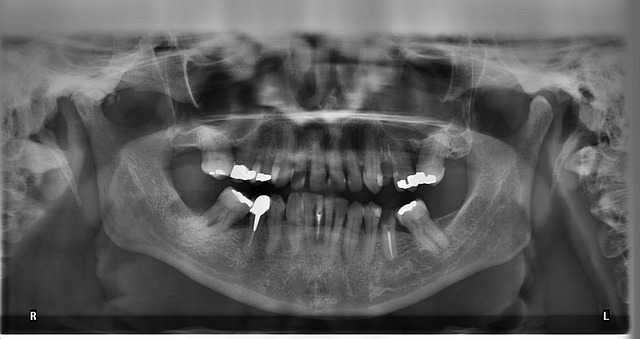
X-rays are often taken annually to reveal hidden decay, infections, bone loss, or impacted teeth. During the cleaning, a hygienist uses specialized tools to remove hardened tartar that no amount of brushing can dislodge. Fluoride treatments and applying sealants are common preventive steps for children and adults at higher risk for decay. Many offices now offer personalized hygiene coaching to address specific risk factors, such as orthodontic appliances or dry mouth.
An exam concludes with a cancer screening, checking for abnormal patches or growths on the cheeks, tongue, and palate. This is especially critical, as early-stage oral cancer is highly treatable but often asymptomatic. Once all findings have been discussed, your dentist creates a personalized care plan—including recommendations for home care, treatments, and the timing of your next appointment.
The Impact of Skipping Dental Appointments
Delaying or skipping routine dental exams can have far-reaching and sometimes irreversible consequences. Small cavities become larger without regular checkups, making treatment more invasive and expensive. Gum inflammation left unaddressed may progress into periodontitis, resulting in receding gums, bone loss, and the eventual loosening or loss of teeth.
Beyond localized dental problems, missing appointments increases the risk of infections spreading. Untreated abscesses can lead to facial swelling or even life-threatening systemic infections. Oral cancers, when not detected early, require more aggressive treatment and have poorer outcomes. For children, irregular care means more untreated cavities, affecting speech, self-esteem, and even their ability to concentrate in school.
According to the American Dental Association’s recommendations, regular visits ensure proactive monitoring and address sudden changes before they become emergencies. The peace of mind that comes from knowing everything is under control is an often-overlooked benefit of keeping to your dental schedule.
Building Lifelong Habits for Oral Health
Consistency is the cornerstone of dental and overall health. Establishing an effective oral care routine starts with brushing twice daily using fluoride toothpaste and flossing once daily. Using mouthwash can further reduce bacterial load and plaque, while healthy snacks like crunchy fruits and vegetables help clean teeth naturally. It’s wise to avoid constant snacking, which continually bathes teeth in acids, and to drink water as your primary beverage.
These basic habits and regular dental checkups act as a two-pronged defense. At home, you maintain cleanliness and minimize risk factors; in the dental office, you benefit from advanced tools, expert examination, and the latest evidence-based guidance. Many people find that booking appointments far in advance and setting calendar reminders help integrate dental care seamlessly into busy lives. Encouraging children and teens to join in, using fun timers or reward charts, can turn the process into a lifelong habit.
Special Considerations for Different Life Stages
Dental needs evolve from childhood through older adulthood, and routine exams adapt accordingly. Early visits help children catch alignment issues, apply preventive sealants, and foster comfort with dental care. Adolescents often encounter orthodontic treatments—routine exams ensure braces are clean and track emerging wisdom teeth. Pregnant women benefit from more frequent cleanings, as hormonal changes heighten gum inflammation and the risk for pregnancy complications.
Stress and lifestyle changes in adulthood may trigger jaw tension, teeth grinding, or dry mouth from certain medications. Regular visits enable detection and management before problems escalate. For seniors, the focus turns to retaining natural teeth, managing dry mouth, and maintaining the fit of dentures or bridges. Dental professionals personalize care to each life phase, matching evolving risks with prevention.
Modern Dentistry: Prevention and Confidence
Today’s dental offices are ever-evolving, blending science, technology, and personal care. Advanced diagnostic tools, such as digital X-rays and intraoral cameras, uncover issues that the naked eye cannot see. Fluoride varnishes and bioactive restorative materials provide better protection and quicker healing. Modern settings also emphasize comfort, with relaxed environments and amenities that reduce anxiety.
Modern preventive dentistry isn’t just about averting disease—it’s also about helping you feel proud to share your smile. Services such as professional teeth whitening solutions or clear aligners help you look your best while maintaining oral health. Cosmetic treatments, once seen as luxury extras, are now common parts of a holistic approach to wellness. Confidence and health work hand-in-hand: when you feel comfortable with your smile, you’re more likely to keep seeing your dentist and stick with good self-care.
Conclusion: Investing in Your Long-Term Health
Making routine dental exams a non-negotiable part of your health strategy pays off in countless ways. These regular visits catch problems before they cause pain or require invasive treatments, help you maintain a bright, confident smile, and reduce your risk for serious health complications linked to poor oral care. The data and expert consensus underlines that good oral health supports a better quality of life at every age.
From the detailed, preventative nature of regular checkups to the confidence-boosting benefit of aesthetic care, these appointments are an investment in yourself. Embrace them, encourage your loved ones to do the same, and enjoy the rewards—a healthy mouth, a full smile, and a positive impact on your well-being that lasts a lifetime.