Key Takeaways
- Continuous glucose monitoring (CGM) provides individuals with diabetes a detailed, ongoing view of their blood sugar levels, enabling them to make proactive daily decisions.
- Wearable technology now enables easier and less intrusive glucose tracking, reducing the hassle and discomfort of traditional finger-stick methods.
- CGM systems are game changers, generating a wealth of data that can inform both everyday choices and long-term care strategies.
- Immediate feedback enables users to adjust their food, exercise, and medications before serious highs or lows occur.
- Research highlights that CGM use results in better health outcomes—like lower A1C—and less diabetes-related anxiety for many people.
Table of Contents
- What Is Continuous Glucose Monitoring?
- How CGM Devices Work
- Benefits of 24-Hour Glucose Monitoring
- Real-Life Improvements in Daily Routines
- Challenges and Considerations
- The Future of Glucose Monitoring Technology
- Resources for Diabetes Support
- FAQs About Continuous Glucose Monitoring
What Is Continuous Glucose Monitoring?
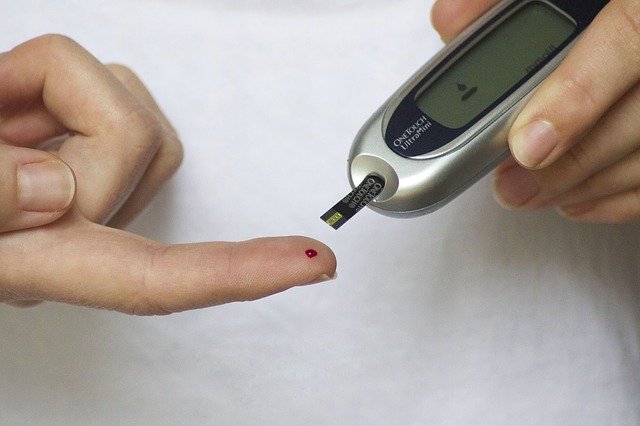
Diabetes management has long involved balancing several key factors: diet, physical activity, stress, sleep, and medication. Historically, individuals have relied on finger-stick blood tests that provide only a momentary snapshot of their glucose levels. However, 24-hour glucose monitoring solutions are changing that paradigm, offering a comprehensive, minute-by-minute view of blood sugar fluctuations. With CGM systems, people gain the ability to see not only their current levels but also how those levels change over time—empowering more informed reactions to the various factors influencing their diabetes.
By offering this type of real-time tracking, CGM bridges the gap between episodic finger-sticks and the complex, ever-shifting nature of blood glucose throughout daily life. This constant feedback encourages faster learning about personal triggers—such as specific foods that lead to spikes or exercise that lowers glucose more than expected—so individuals can adapt more effectively. As many discover, round-the-clock visibility of glucose trends makes it easier to anticipate challenges instead of only reacting after problems appear.
How CGM Devices Work
At the heart of a CGM system is its tiny sensor, often as slim as a piece of spaghetti, that rests comfortably beneath the skin, usually on the abdomen or upper arm. This sensor continuously detects glucose levels in the interstitial fluid (the fluid that fills the space between cells). It transmits the data wirelessly to a nearby receiver or a smartphone app. The best part? Many modern CGM devices no longer require regular calibration with finger-stick tests, which minimizes both hassle and discomfort.
The ability to monitor sugar levels every few minutes enables users to observe the fluctuations in glucose levels throughout their day, including overnight. With customizable alarms for high and low readings, users receive timely alerts and can intervene before dangerous swings occur. According to the latest advancements highlighted by the American Diabetes Association, the seamless integration with smartphone technology enables caregivers—such as parents or spouses—to remotely monitor data, bringing comfort and safety, especially for children or elderly users. This technology not only simplifies daily routines but also adds a layer of security that was previously impossible in diabetes care.
Benefits of 24-Hour Glucose Monitoring
- Decreasing Risks: One of the most significant advantages of 24-hour monitoring is the reduction of severe low (hypoglycemia) and high (hyperglycemia) events. With early warnings, people can prevent situations that may previously have led to hospitalizations or missed work and school days.
- Adjusting on the Fly: Real-time data helps users fine-tune meal timing, carb intake, and insulin dosing. When food or activity sends sugar levels off track, immediate notifications let users correct course before symptoms become dangerous.
- Better Conversations: With rich CGM data, meetings with healthcare providers become more productive. Instead of guessing at trends, doctors and patients can review actual numbers, leading to more precise medication adjustments and individualized advice.
- Peace of Mind: Knowing the device is monitoring and will sound an alarm if something is wrong helps many users sleep better and reduces daily anxiety, especially for parents and those with a history of unpredictable swings.
Research summarized by the Centers for Disease Control and Prevention shows that CGM users spend less time in dangerous glucose territories and see improvements in their long-term A1C lab values, a critical indicator of diabetes control. This steady shift towards safety and stability means more active, independent lives for many people living with diabetes.
Real-Life Improvements in Daily Routines
For those living with diabetes, daily routines often revolve around uncertainty: Will lunch spike my sugar? Will my walk cause a dangerous drop? Parents wonder if their child’s numbers will dip without warning during school or sports. With continuous glucose monitoring, these questions no longer require guesswork. For example, an adult might adjust their insulin before an essential meeting after noticing a trend of rising glucose levels. Parents, too, become less anxious about sleepovers and sports, as remote monitoring lets them keep a caring eye on their child from afar.
Even more, the availability of real-time numbers makes it possible to spot the subtle effects of stress, sleep, or even a common cold. People are discovering triggers and trends that remain invisible with traditional methods. Athletes can better tailor their training, and families report fewer nighttime emergencies. Everyday choices become more deliberate and less reactive, allowing users to focus on what matters most to them.
Challenges and Considerations
Despite its advantages, CGM isn’t without its hurdles. Cost is a frequent barrier; while many insurance plans now offer coverage, not every device or supply is reimbursed, and out-of-pocket expenses can be considerable. Some users experience mild skin irritation, sensor adhesion problems, or discomfort with having a sensor on their body 24/7. Moreover, the steady flood of data can initially feel overwhelming, sometimes making users feel more anxious rather than reassured.
- Before starting with CGM, consult with your insurance to understand what’s covered and what your co-pays will be.
- Work alongside a healthcare provider or diabetes educator for training on how to understand and make the most of your new device.
- Give yourself time to adapt—filtering through the data and fine-tuning alarm thresholds takes practice, and most users grow comfortable with a bit of patience and support.
The Future of Glucose Monitoring Technology
The world of diabetes technology is advancing rapidly, revolutionizing how people manage their condition. Developers are creating smaller, longer-lasting sensors and integrating continuous glucose monitors (CGMs) with smartphones, smartwatches, and even closed-loop insulin pumps that can automatically adjust insulin delivery based on real-time glucose readings. These systems are evolving into knowledgeable networks that aim to eliminate the need for constant manual adjustments. With artificial intelligence (AI) now playing a central role, these tools are beginning to offer predictive insights—such as alerts before a meal causes a glucose spike—paving the way toward more proactive and effortless diabetes management.
In addition to more intelligent algorithms, improvements in hardware and usability are making CGMs more appealing than ever. Devices now offer longer battery life, more comfortable wearability, and sleek, intuitive apps that provide clear visualizations of glucose trends. For first-time users, these upgrades reduce the learning curve and increase confidence in adopting technology-based management. Instead of frequent finger pricks and guesswork, users can now rely on real-time data and receive personalized recommendations, making it easier to stay within range and prevent complications.
As innovation continues and production costs decrease, these advanced systems are becoming more accessible worldwide. Insurance companies are expanding coverage, and healthcare providers are increasingly recommending CGMs as standard care—not just for Type 1 diabetes, but for many with Type 2 as well. Broader access to continuous monitoring, particularly in underserved populations, has the potential to transform diabetes care on a global scale. With fewer emergencies, improved long-term health, and reduced treatment costs, we are approaching a future where managing diabetes may soon become simpler, smarter, and far less intrusive.
FAQs About Continuous Glucose Monitoring
Who benefits the most from CGM?
CGM systems are particularly beneficial for individuals with insulin-dependent diabetes, such as those with Type 1 and some Type 2 patients, because they provide real-time glucose monitoring and alerts for elevated and low glucose levels. Children, teenagers, and athletes are increasingly using them to improve glucose management, and they can also be beneficial for individuals with gestational diabetes when used under medical guidance. These systems offer ease of use, enhanced regulation, and increased reassurance, particularly for individuals who experience regular or unexpected fluctuations in their glucose levels.
Does CGM eliminate the need for finger-sticks?
While most modern CGMs are factory-calibrated and highly accurate, they don’t eliminate the need for finger-sticks. It’s still recommended to do a manual blood glucose test if symptoms don’t match the CGM reading or before making major treatment decisions, especially during rapid glucose changes or if the sensor appears to be off.
Does insurance always cover CGM devices?
Insurance coverage for continuous glucose monitoring (CGM) devices varies widely, depending on the country, region, and individual insurance plan. Although coverage is expanding as more evidence supports the health benefits of CGM use, it is essential to check with your provider to understand specific eligibility requirements, documentation needs, and whether pre-approval is necessary.
Can family or doctors monitor CGM data remotely?
Indeed, numerous CGM systems facilitate real-time remote monitoring via apps, allowing family members, caregivers, or healthcare professionals to access glucose information and receive notifications. This function helps monitor diabetes in children, older adults, or individuals with irregular blood sugar levels, providing an extra level of safety and support.