Key Takeaways
- Introducing children to dental care routines and appointments early builds comfort and familiarity.
- Children take cues from their parents’ attitudes and behaviors regarding dental health.
- Making oral hygiene enjoyable helps kids stay consistent with brushing and flossing.
- Open communication and supportive guidance ease anxiety and build trust in dental professionals.
Introduction
Creating lifelong oral health habits begins at home, and parents can have a profound influence on how their children perceive dental care. Children often look up to their parents as role models in all aspects of life, including health and hygiene. The way parents approach and talk about oral hygiene directly impacts how children feel about their own dental routines. As the primary role models in a child’s life, parents set the tone not just for daily oral hygiene, but for how children respond to dental appointments and healthcare in general. A supportive, positive home environment is crucial for children to see oral hygiene as a routine part of self-care.
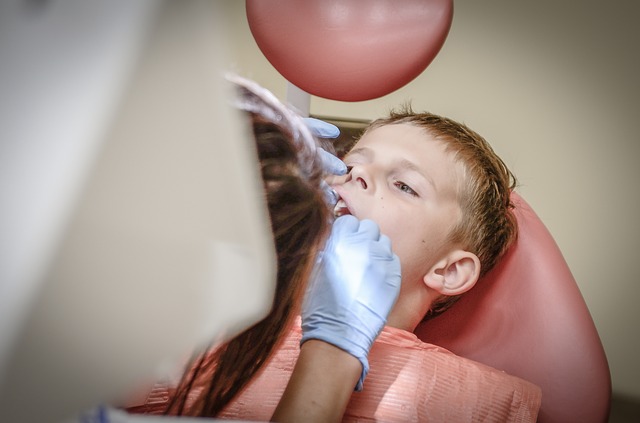
Partnering with a friendly childrens dentist Glebe can make regular dental visits enjoyable rather than stressful, instilling trust and confidence in young patients from day one. Consistency and positive language before, during, and after appointments encourage kids to feel safe, respected, and empowered. This helps build a healthy perspective on dental care that can last a lifetime, reducing the likelihood of dental anxiety or fear as your child grows.
Fostering a positive relationship with dental care professionals and introducing dental visits early helps to eliminate fear, while also establishing critical habits that support oral health. Children who see the dentist as a friendly helper are less likely to experience anxiety around appointments, which increases the chances they’ll continue regular visits into adulthood. By being proactive and encouraging, parents can ensure dental experiences are pleasant growth opportunities for their children—rather than situations to fear or avoid. Early, supportive dental experiences build a foundation that fosters self-confidence in managing oral health independently as they mature.
Start Dental Visits Early
Early introduction to dental visits sets the foundation for lifelong oral health. According to the American Dental Association, children should visit the dentist when their first tooth appears or by their first birthday. Starting dental appointments at a young age allows both parents and children to become familiar with the dental setting, which can greatly reduce anxiety associated with unfamiliar environments.
These initial visits allow the dentist to monitor oral development, provide guidance on habits like thumb-sucking or pacifier use, and help acclimate children to the sounds and sights of a dental office. Dentists can also assess the growth of new teeth and give parents helpful advice on teething pain, brushing techniques, and nutritional recommendations. Early, non-invasive checkups create familiarity, reducing the risk of fear or anxiety in the future. A child who grows up associating the dentist with positive, routine check-ins is far less likely to fear appointments later in life.
Model Positive Attitudes Toward Dental Care
Children are keen observers, often mirroring the behaviors and emotions of adults around them. When parents demonstrate a calm, positive approach to dental care—speaking optimistically about dental visits and routines—children are more likely to adopt similar attitudes. Make brushing and flossing a family activity, and use affirming language when discussing the importance of caring for teeth. Avoid discussing negative past experiences or using dental visits as threats; instead, treat oral hygiene as an important, normal part of overall health maintenance. The goal is to make dental care feel like just another routine part of daily life, not something to be avoided or feared.
Make Oral Hygiene Fun
Turning dental routines into enjoyable activities motivates children to care for their teeth consistently. When brushing and flossing become a playful daily ritual, kids are more likely to embrace the routine willingly, rather than seeing it as a chore or obligation. Several creative techniques help make brushing and flossing something kids look forward to every day:
- Let Kids Choose Their Supplies: Colorful toothbrushes featuring favorite cartoon characters or light-up features, and flavored toothpaste add excitement and a sense of ownership. Allowing children to select their own dental supplies makes the experience feel personal and engaging.
- Interactive Tools: Apps like Disney Magic Timer and Brush DJ play music or fun videos to encourage kids to brush for the recommended two minutes, while tracking their progress. Technology can turn toothbrushing into a mini-adventure, rewarding consistency and thoroughness.
- Reward Systems: Setting up a sticker chart or reward calendar can reinforce regular brushing, with small incentives like extra story time or a new book for consistent effort. Positive reinforcement helps form strong habits and transforms oral hygiene into a source of pride.
By making toothbrushing enjoyable, children will naturally be more interested in participating and less susceptible to resistance or fatigue. Fun routines encourage independence and give children a sense of responsibility for their own health.
Communicate Openly and Positively
Honest and reassuring conversations around dental health foster trust. Use age-appropriate language to explain what will happen during a dentist visit and highlight the importance of oral hygiene in keeping teeth “strong” and “happy.” Talking through the steps of a dental appointment in a gentle, non-threatening way eliminates surprises and demystifies dental procedures, which can make the experience less intimidating.
Encourage your child to share their feelings, and validate their concerns—letting them know it’s normal to feel uncertain, but the dentist is there to help. If your child feels nervous or has questions, take the time to listen patiently rather than minimizing their worries. Resources like MouthHealthy provide additional child-friendly educational content to support these discussions. Empowered children who feel heard and understood become more confident and cooperative patients.
Choose a Child-Friendly Dental Practice
Selecting a pediatric dentist who specializes in caring for young patients makes a significant difference. Pediatric dental offices are designed to be welcoming and non-threatening, with staff specifically trained to connect with children and accommodate their unique needs. From gentle communication styles to child-friendly décor, everything is geared toward making kids feel comfortable and secure during their appointments.
Child-friendly spaces, gentle approaches, and a supportive team ensure that visits are as pleasant and stress-free as possible. Dental offices that prioritize education and interactivity help children understand what is happening at every step, making them feel in control and respected. Establishing care with a practice that prioritizes your child’s comfort can have a lasting, positive impact on their view of dental health.
Be Present and Supportive During Dental Visits
Parental presence during dental appointments offers kids a strong sense of security. Simply being in the room to hold a hand or offer calming words can help alleviate nerves and make the experience more positive. Children are more likely to relax and follow instructions when a trusted caregiver is nearby, especially during unfamiliar or new experiences.
Parents who model calmness and encouragement during the visit help children build confidence, making each successive appointment smoother. Providing gentle praise, support, and understanding after the appointment reinforces the positive aspects of the visit and encourages continued cooperation. When dental visits become associated with connection and support, children are less likely to feel apprehensive about future appointments.
Educate on the Importance of Oral Health
Empowering children with knowledge about why oral health matters can increase their motivation to maintain good habits. Younger children especially benefit from interactive activities, such as brushing the “teeth” on a toy, to visualize the importance of cleaning every surface and spot. Use simple explanations and interactive activities, like brushing teeth on a favorite stuffed animal, to illustrate how healthy routines prevent cavities and contribute to strong teeth.
Relating dental care to overall health and wellness makes the information relatable and actionable for children of all ages. When kids understand that taking care of their teeth helps them eat, speak, and smile with confidence, they are more likely to take ownership of their routines. Fostering an understanding of oral health as an essential part of self-care instills lifelong healthy habits.
Encourage Healthy Eating Habits
A nutritious diet is a cornerstone of good oral health. Encourage children to snack on fruits, vegetables, cheese, and whole grains, while limiting sugary snacks and drinks that can contribute to tooth decay. Talk with your child about how sugary foods feed “bad” germs in the mouth, while healthy snacks help keep teeth strong and bright.
When your child does have a treat, teaching them to rinse their mouth or brush afterward reinforces positive habits and helps lessen sugar’s effects on their teeth. Positive conversations about food choices empower children to make better decisions both at home and in social situations. Building an understanding of the link between diet and oral health supports healthy growth and creates well-informed children who can take charge of their dental health.
By integrating these strategies into everyday life, parents empower their children to develop positive associations with dental care. A trusting relationship with a dental professional and ongoing parental support set the stage for a lifetime of healthy smiles and confident dental visits. Small, everyday actions can help children form deep-rooted positive habits that will serve them well for years to come.