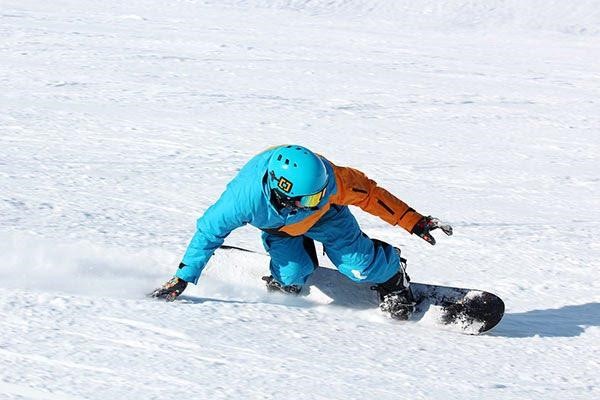
Snowboarding, which was earlier considered an enthusiastic sport for the young and adventurous, is no longer categorized as ‘extreme.’ Nowadays, thousands of people are seen snowboarding on the inclines of different levels. In fact, you’ll find plenty of old snowboarders who’ve matured from skiing and have taken on snowboards with flair.
Snowboarding requires good balancing skills and oodles of confidence to perform well. It involves strapping of feet onto a skateboard-like board and sliding across the snow downwards. Those who’ve learned the basics well can be seen acquiring new skills and including tricks and jumps as they progress. However, like skiing and other ice sports, snowboarding can also prove to a dangerous pastime. There are instances of some participants of this popular winter sport getting injured every season. Fortunately, their numbers are not very large and many of these injuries can be overcome with few days of care.
Here, we intend to throw light on some common snowboarding injuries and the cause behind their occurrence.
Wrist Injuries
Along with the knee and ankle, your wrist is another body part that’s very vulnerable to injuries after a fall or because of overuse. Sabrina Seraj from www.therapydiaportland.com says that in snowboarding, ankle injuries are decreasing due to better binding, while wrist injuries are still the most common snowboarding injury. Wrist injuries mostly occur during a fall as snowboarders tend to break the impact by putting out their arms instinctively. This makes them fall on their hands, thereby causing injury to the complex and fragile wrist joint. Wearing wrist guards is a good way of preventing this injury that may require a hospital visit and several days of healing.
Ankle Injuries
Snowboarders are likely to undergo ankle injuries when they face a bad landing after a jump. This is usually caused by wearing boots that fail to provide enough support for the ankle. An ankle injury can either be in the form of a fracture or sprain that can keep you off your snowboard for weeks in a row. It requires urgent medical attention and can turn into a serious problem because of the complexity of the joint. Strong boots can provide the support you need; it’s advisable that you put them on at all times before attempting jumps while snowboarding.
Knee Injuries
You may have made an impressive leap but landing heavily on your feet can lead to a serious knee injury because of the undue pressure inflicted on the joint. Knee joint injuries generally impact older snowboarders as their knee may already be impacted due to age-related wear and tear. Knee injuries may also be attributed to rapid twisting, by changing the direction of the board at very high speed, or any other act that applies unnatural stress on the joint.
Last Word
Snowboarding requires a lot of caution and care to avoid head, ankle, write, knee, and other types of injury. Wear the right gear – strong boots, helmet, knee guards, wrist guards, and so forth- to attract the least injuries from the inevitable spills and falls that accompany the thrill of the sport.