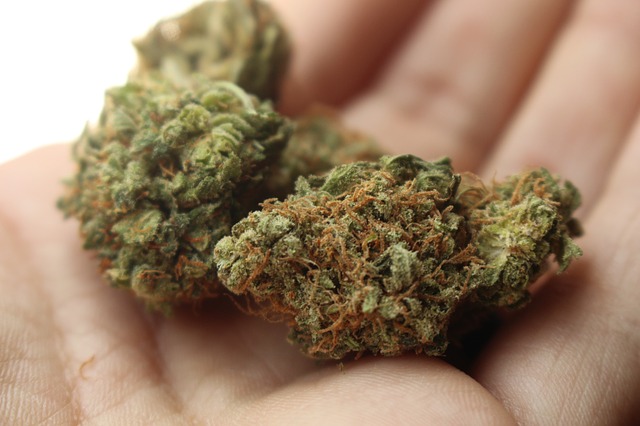
Cannabis/marijuana has been used for medicinal purposes for about three millennia. By 2021, all but two states (Nebraska and Idaho) have passed some form of legislation allowing for the use of medical cannabis, with many more becoming greener by legalizing the use of recreational cannabis.
But recently, consumers and professionals in the cannabis market have been all abuzz regarding the introduction of a variety of products developed with an up-and-coming cannabinoid, Delta 8 THC.
So, what is Delta 8 THC, and what is all the buzz about? What is Delta 8 THC sourced from?
In a statement issued by the National Cancer Institute (the “NCI”), Delta 8 THC was defined as a referent or analog of the primary form of THC (more specifically, Delta-9 Tetrahydrocannabinol). The similarity between Delta 8 and Delta 9 includes their names and chemical structures, among other aspects.
Delta-9 THC, sourced from cannabis, is famously known as the chemical/cannabinoid that causes most of cannabis’s psychotropic effects. In essence, THC binds to CB receptors (CB1 or CB2) in the human body’s endocannabinoid system. Delta 9 THC stimulates the internal mechanics of the brain’s reward system and central nervous system (by binding to CB1 receptors) to release dopamine, the feel-good hormone/neurotransmitter that creates euphoria, pleasure, and/or satisfaction, etc.
The National Cancer Institute notes that Delta 8 THC’s psychoactive impacts are less potent than that created by Delta 9-THC because Delta 8 THC tends to bind to the CB2 receptors (which are located throughout the body, but not the CNS). However, Delta 8 THC’s neuroprotective protective qualities may offer consumers –
- A reduction in nausea, pain, and/or anxiety.
- An increase in appetite, among others.
What’s interesting about Delta 8 THC is that it is a naturally occurring compound. However, Delta 8 THC can be processed or converted from CBD (Cannabidiol) & Delta-9-THC as well. It is noted that most Delta 8 THC is derived from CBD. Much of the Delta 8 THC used in end products on the marketplace have been converted from CBD sourced from hemp that is legally grown (defined by having a measured content of <.3% THC) in accordance with several federal legislative acts.
While Delta 8 is a true THC compound, its actual chemical composition differs from that of Delta 9 THC’s chemical structure. Non-scientists may find it helpful to consider Delta 8 THC products as a decaffeinated version of Delta 9 THC products, as the psychoactive effects from Delta 9 THC are less impactful than that produced by Delta 9. Among the less desirable responses to Delta 9 THC are conditions/feelings like – fog head, ‘couch lock,’ paranoia, anxiety, or dry-mouth, among others.
In fact, many consumers report they experience a feeling of relaxation and even a clear mind after consuming Delta 8 THC. Additionally, Delta 8 THC products have been shown to create uplifting and euphoric feelings for those who consume the product. These more pronounced feelings of well-being are what essentially differentiate Delta 8 THC from the more well-known cannabinoid known as CBD. In addition, Delta 8 may offer needed relief more quickly than its CBD counterpart.
It is important to note that Delta 8 THC products that have been consumed as edible (rather than being vaped or smoked in flower form) tend to offer consumers a more intense experience. This is because of the chemicals produced by the body’s metabolization of Delta 8 THC. In this way, Delta 8 and Delta 9 behave similarly.
Delta 8 THC is now being studied in combination with other cannabinoids to see if these compounds can be combined to create more effective relief from anxiety, sleeplessness, pain, and depression, among others.