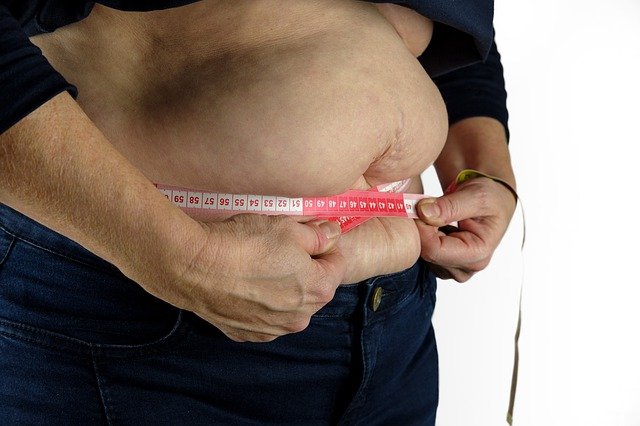
Globally, obesity has become a common disease. Like other medical issues like kidney and heart diseases, when one acquires severe obesity, surgery may be the most effective treatment. Patients suffering from obesity try to treat it through exercise and dieting. Some have been hopeful, and in some cases, patients have managed to lose weight only to regain it with time again. Unfortunately, it has been proven that diet and exercises offer little to no success in weight loss for obese individuals. But it’s important to note that the lack of willpower is not responsible for not losing weight. It’s also not a matter of using the wrong diet. When a patient gets to a body mass index greater than 35, they have a lesser chance of gaining back average body weight. This explains why surgery has become the most appropriate method of treating patients with severe obesity. Sadly, not many patients who can benefit from bariatric surgery Toronto procedures know whether it is suitable for them.
So the question remains: who is the ideal candidate for weight-loss surgery? The answer to this question is indirect, given that weight-loss surgery treats more than obesity because it strips of conditions such as heart disease, diabetes, arthritis, high blood pressure, and acid reflux. Again, weight loss surgery dramatically reduces the risk of death from heart disease, diabetes, cancer, and other illnesses.
How Does Weight Loss Surgery Work?
Weight loss surgery is also called bariatric surgery. This surgery works by changing the anatomy of the small intestine and the stomach. This way, patients experience changes in their appetite, satiety, and metabolism. Mostly, hormonal signals are responsible for weight gain or the inability to lose weight, and they are affected by such procedures. Hence, it becomes simpler to shed weight. But this does not mean ignoring healthy eating and effective exercise routines.
Long Term Weight Loss
With bariatric surgery, patients are likely to shed 50% of the excess body weight and keep the extra weight off for a longer duration. Once you lose weight from the surgery, you feel more energetic. Plus, you experience less pain and get more enthusiastic about doing things you haven’t managed to do in years. But be warned that the rapid weight loss after surgery can result in hormonal changes that could lead to even more weight loss. So be consistent with exercise routine improving the weight loss and yet manage weight stability after the surgery.
Living Longer After Weight Loss Surgery
After research from thousands of patients, scientific studies show that weight loss surgery reduces a person’s risk of death from whichever cause by a significant percentage. Decades ago, bariatric surgery was viewed as a high-risk treatment, and people thought of it as a cosmetic procedure. But this is incorrect.
As a patient, your risk of death is significantly low in the first year after surgery. When you compare the dangers of this surgery to the benefits, it offers you are better off doing bariatric surgery.